Bathroom Sink Drain Cleaning Services in Ohio
A slow bathroom sink is usually a small problem close to the drain. Hair, soap scum and toothpaste residue build up on the pop-up stopper and in the trap. Sometimes, though, the sink is telling you about something further down the line. This page covers bathroom sink drain cleaning services in Ohio, when each approach fits, and how we connect you with an independent local technician.
Call Now: (833) 602-0047Answered 24/7.
What clogs a bathroom sink
Hair is the main culprit, with soap scum that binds it together. Toothpaste, shaving residue and cosmetics add to it. The buildup usually forms in three places: on the pop-up stopper assembly inside the drain, in the curved trap under the sink, and in the short branch line behind the wall.
Bathroom sinks are small and their drains are narrow, often one and a quarter inches. A small amount of buildup makes a visible difference.

Signs and what they suggest
Slow draining, a gurgle, water pooling around the stopper and a smell are all common. Where the problem lies matters:
- Only this sink slow: a local clog, usually stopper or trap.
- Sink and tub slow: a shared branch in the bathroom.
- Whole bathroom plus other rooms: a deeper shared line, perhaps the main.
- Gurgling when another fixture drains: venting or a partial blockage; see gurgling and slow drains.
Talk to a Drain TechLocal crew, price agreed first.
How it is cleared
The technician usually starts at the pop-up stopper, which can be removed and cleaned. If the blockage is lower, the trap under the sink is opened and cleaned. If that does not solve it, a small cable is fed into the branch line to break up buildup deeper in.
Water is then run to confirm flow. If the sink is on a line shared with a tub or toilet, that is tested as well.
What to avoid
Technicians generally advise against chemical drain cleaners in bathroom sinks. They can sit in the trap and in standing water, and they do not remove hair well. Do not force a cable into the drain yourself, as it can damage the stopper assembly and scratch the fixture.
Get a Crew Out TodaySame-day service in many areas.
Older houses
In houses from before the 1970s, bathroom sinks often connect to cast iron or galvanized lines inside the wall that have scaled. In those, a sink may drain slowly because the pipe has narrowed, not because of hair. A camera or a careful cable pass can show which it is. See cast iron drain cleaning.
When it is the whole house
If the bathroom sink is slow along with other fixtures, or water appears at the basement floor drain, the sink is not the problem. It is showing a symptom of a blockage further down. See main sewer line clog.
Not Sure Which Line It Is? Call UsSink only, or more?
Cost and time
A stopper and trap clean is a small job. A cable pass into the branch line is somewhat larger. The price depends on where the clog is and what is needed, and the technician gives it to you before work begins. We do not promise a duration.
What helps
A drain hair catcher is the single most effective thing for a bathroom sink and tub. Cleaning the stopper occasionally helps. There is no guarantee against a slow drain, but these reduce the buildup that causes most of them. See preventive drain maintenance.
Call for PricingAgreed before work starts.
Understanding the pop-up stopper
Most bathroom sinks have a pop-up stopper, a small plug operated by a lever behind the faucet. Under the sink, a rod and pivot connect the lever to the stopper. Hair wraps around the pivot and the stopper itself, and soap scum glues it into a mat. The stopper is also where most slow-drain problems are fixed, because it is the first narrow point in the line.
Some stoppers lift out, and some are held in place by a nut. Technicians are familiar with the differences. If you have tried to remove a stopper and it will not come out, it is worth stopping there and calling, since forcing it can break the assembly or crack the sink.
If the sink drains fine with the stopper removed but slowly with it in place, the stopper is likely the issue, and cleaning it solves the problem. If it drains slowly either way, the clog is lower.
The trap and the branch line behind it
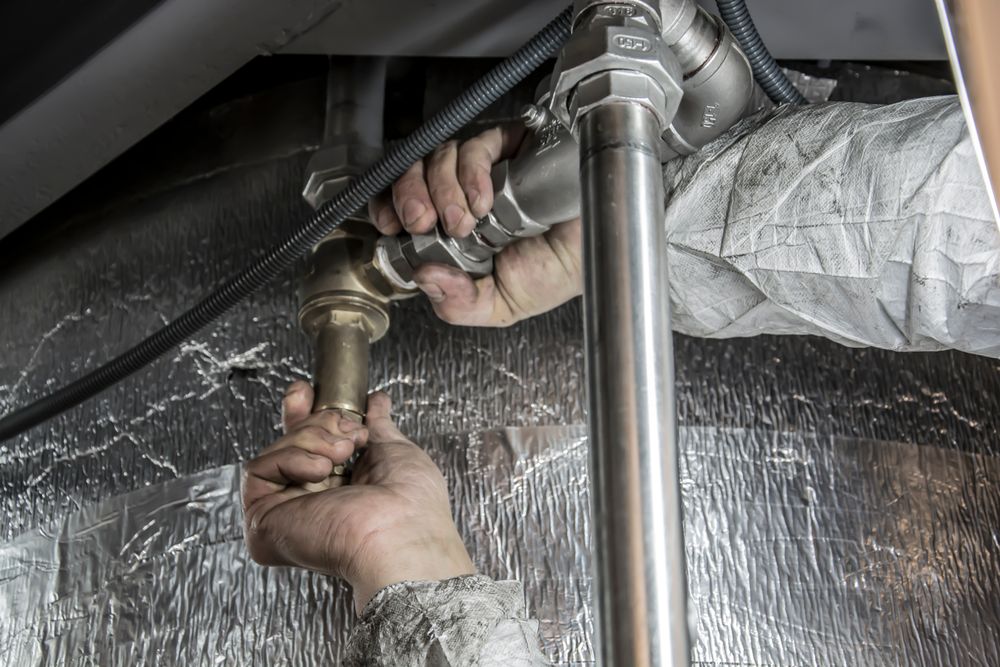
The curved pipe under the sink is the trap. It holds a small amount of water that blocks sewer gases from entering the room, and it also catches debris, including the occasional ring or toothbrush cap. A technician can open the trap and clear it, which is usually a short job.
Behind the wall, the drain continues as a branch line toward the main stack. In older houses this branch may be galvanized or cast iron. In newer ones it is usually PVC. A buildup here is out of reach of a hand tool, so the technician feeds a small cable through the trap arm or a cleanout to break it up.
If a bathroom sink has a smell, the trap itself is sometimes the cause. A trap that has dried out, for instance in a guest bathroom that is rarely used, no longer holds its water seal. Running water for a short time often restores it. If a smell persists, see sewer smell in the basement.
Rentals, guest baths and busy households
A bathroom sink in a rental, a guest bath or a household with several people tends to see different problems. Heavy use produces faster buildup. Rarely used sinks have dried traps and can smell. In a rental, the tenant usually reports the problem to the landlord or property manager, who can call for service.
If you manage several units, mention it on the call. A pattern of slow bathroom sinks across a building may point to a shared stack and not to individual sinks. See multi-unit and two-family drains.
Bathroom Sink Drain Cleaning services in Ohio: where we connect callers with crews
We connect callers with independent local drain technicians in 300 Ohio cities and towns. Small jobs like a bathroom sink are handled by the same local crews that do main lines, across every region we cover. See Central Ohio, the Miami Valley, Greater Cincinnati and the full list of areas.
Common questions about bathroom sink drain cleaning in Ohio
Why is my bathroom sink draining slowly?
Hair and soap scum on the pop-up stopper and in the trap are the most common causes. A technician cleans both and tests the flow.
Bathroom Sink Drain Cleaning: can I use a chemical cleaner?
Technicians generally advise against it. It may not clear hair and can sit in the trap and standing water.
Why does the sink gurgle?
Gurgling often means air is being pulled through a partly blocked line or a venting issue. If other fixtures do it too, the problem may be deeper.
What if the tub is slow as well?
That suggests a shared branch in the bathroom, a bit further down than the stopper.
What if the floor drain shows water?
That points to the main line, not the sink. Stop running water and call.
Bathroom Sink Drain Cleaning: will it come back?
Hair builds up again over time. A hair catcher helps, but no one can promise it will not return.
Do I need to remove the stopper?
Usually the technician does it. Removal depends on the sink design.
Is an older house different?
Yes. Older cast iron or galvanized lines can scale and narrow, which also slows drains.
Bathroom Sink Drain Cleaning: what does it cost?
It depends on where the clog is and what is needed. The technician gives you the price before work begins.
Related services
Clogged Kitchen SinkShower and Tub Drain CleaningGurgling and Slow DrainsCast Iron Drain CleaningMain Sewer Line ClogPreventive Drain Maintenance